

Tunnels under water – how does that work?
In several places, the new metro will run through the bedrock under water. Construction under water is conducted much the same way as anywhere else, although it does requires good familiarity with the geology.
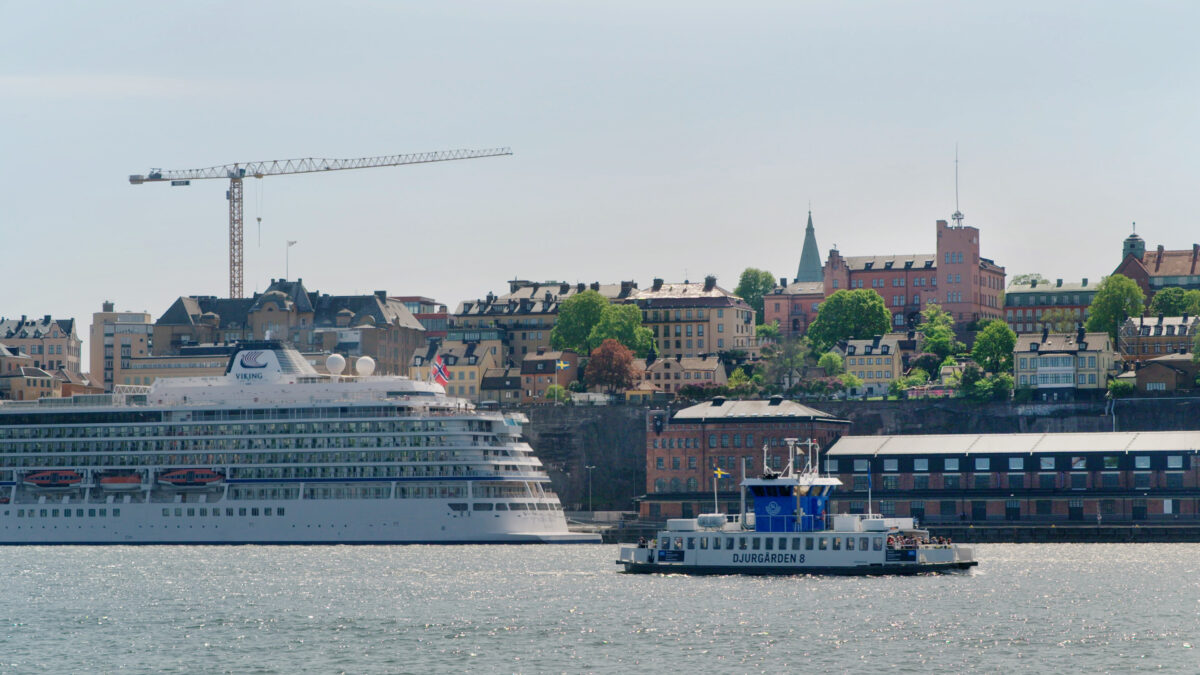
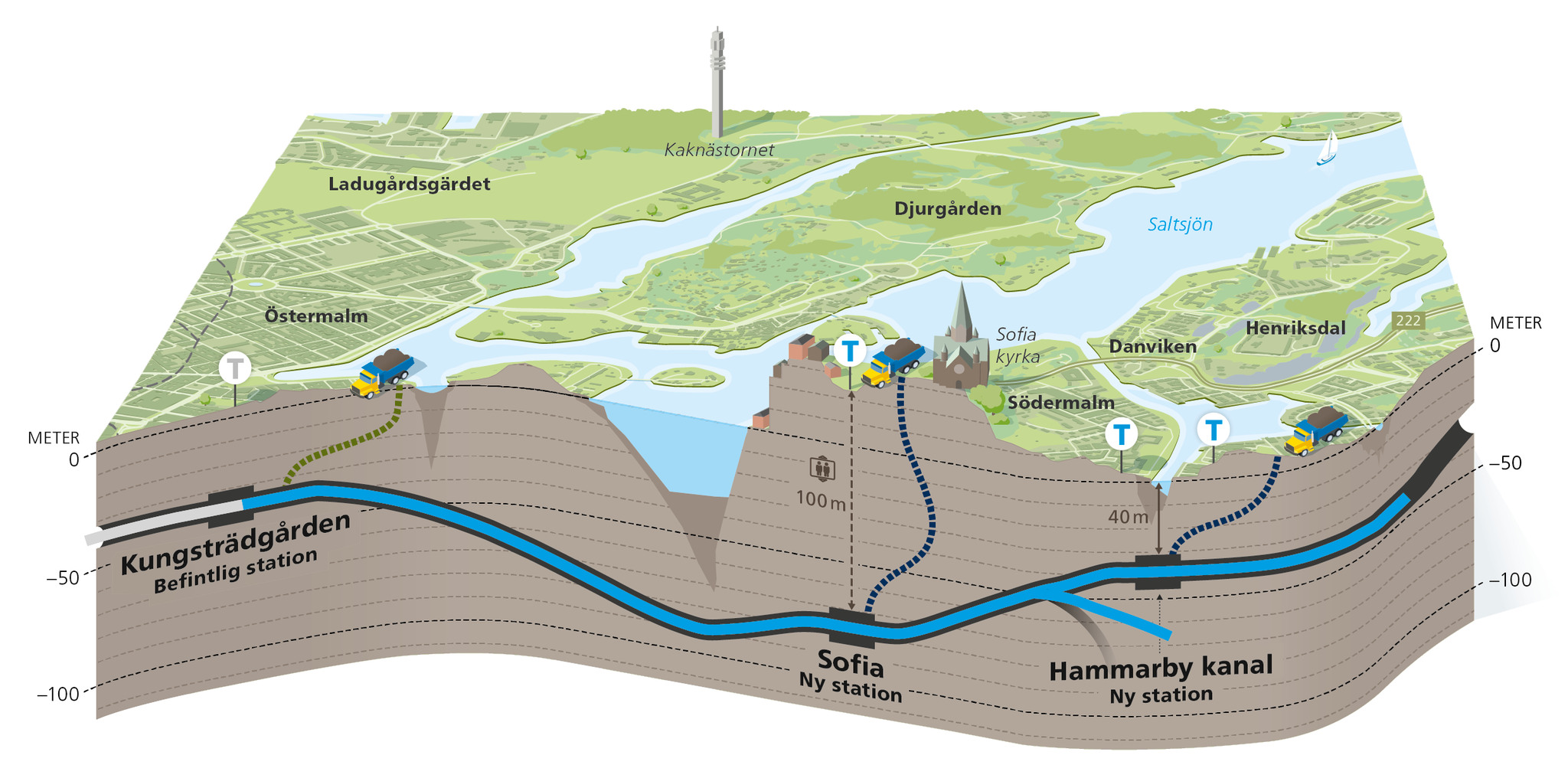
The longest underwater tunnel is the one from Kungsträdgården to Södermalm and Sofia station. At its deepest, it will be about 90 metres below the surface of the water. Naturally, working under a large body of water increases the risks during construction.
Familiar with the geology
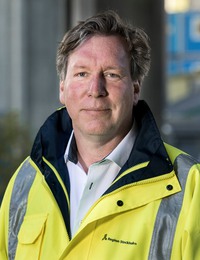
“Much of our work is about making sure we know the risks and how to manage them. When building under this much water, the risk of large amounts of water entering the tunnels increases simply because it’s under such pressure. This is particularly true if the bedrock between the lake or sea bed and the tunnel is of poorer quality. This is why we have to be familiar with the geology, we need to know the structure and behaviour of the bedrock, how much water it lets through,” says Göran Leverud, project manager for the tunnel that will be built from Kungsträdgården under Saltsjön to Sofia station.
Så undersöks berget innan man börjar bygga
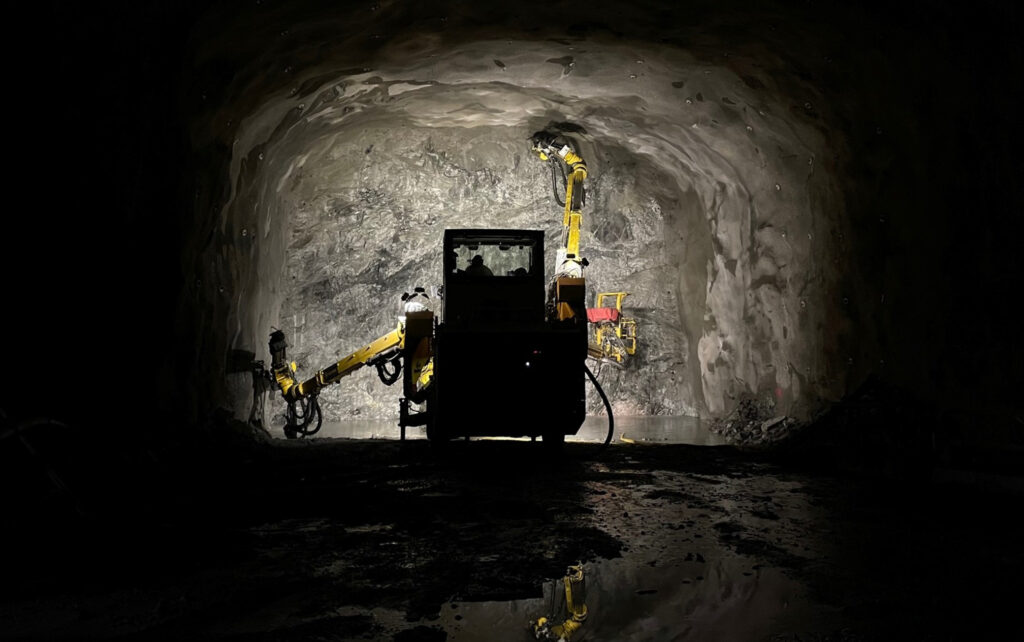
The tunnels are constructed the same way as all other new metro tunnels in Stockholm – by drilling and blasting the tunnel out of the bedrock. In all tunnels, any cracks in the rockface are sealed with a cement mixture before blasting, which stabilises the bedrock and prevents water from leaking in.
Concrete tunnel under Saltsjön
Three tunnels will be built under Saltsjön – two for the tracks and one for service access. The service tunnel will be blasted first, and it will always be about 20 metres ahead of the other tunnels.
“This allows us to check whether the properties of the bedrock are as we expected before we blast the metro tunnels,” Göran Leverud explains.
In addition, under Saltsjön, a concrete tunnel will also be built inside each rock tunnel, a so-called lining, to ensure a safe, stable and dry tunnel.
Early in the planning process, studies were conducted to check whether it would be possible to instead build a so-called immersed tunnel, which is a tunnel built on top of the lake bed. However, this would have been considerably more expensive with greater impact on the environment.
One advantage of building in the bedrock under the water is that the surroundings are not as affected.
“Because we’re far from the nearest building, as well as deep under the lake bed and deep inside the bedrock, we don’t have to worry as much about the noise and vibrations caused by our work,” says Göran Leverud.
Are fish affected by the blasting?
“Animal life in the water above the tunnel construction won’t be noticeably affected. The pressure waves from the blasting won’t propagate into the water above our tunnels. The sound waves, however, can propagate in the water and be perceived as unpleasant if you’re in the water.”, says Göran Leverud.
Where is the metro being built under water?
- Ladugårdslandsviken between Blasieholmen and Skeppsholmen
- Under Saltsjön between Skeppsholmen and Södermalm
- Two lines (tunnels) under Hammarby Canal
- Under Sickla Canal.
Media
Write to: Emma Sahlman
Phone: 072-582 44 30
Do you have any questions?
Write to: SL customer service
Phone: 08-600 10 00
News
 News 2025-03-21
Yes to platform screen doors on the Yellow Line
 News 2024-10-10
Localization study underway for a metro to Bromma Airport area
 News 2024-01-12
Here’s where even more new metro lines might be built
 News 2023-10-12
Stone cold blasting at Gullmarsplan
 News 2023-09-27
The yellow line is planned for unattended train operation
 News 2023-09-14
Photos: Look under ground in Hökarängen
 News 2023-06-20
New video explains expanded depot
 News 2023-06-20
See the stations of the future today
 News 2023-06-20
Yellow Line moving south
 News 2023-06-20
Looking into further expansion of the metro system
 News 2023-06-19
Full speed above and under ground in Nacka
 News 2023-03-28
Underground experiments for enhanced health and safety
 News 2023-03-02
Cool tunnel works - here the rock will be frozen
 News 2023-01-30
This is the first time that the metro is being built with a large drill
 News 2022-12-19
Blasting is now being performed at 61 sites simultaneously
 News 2022-12-05
Tunnel work exceeds climate goals
 News 2022-11-17
End of the line today – but maybe not tomorrow
 News 2022-10-27
A patchwork of tunnels
 News 2022-10-20
Securing lift shaft walls a challenging task
 News 2022-10-13
The tunnels are growing day by day – here’s everything that’s good to go
 News 2022-09-08
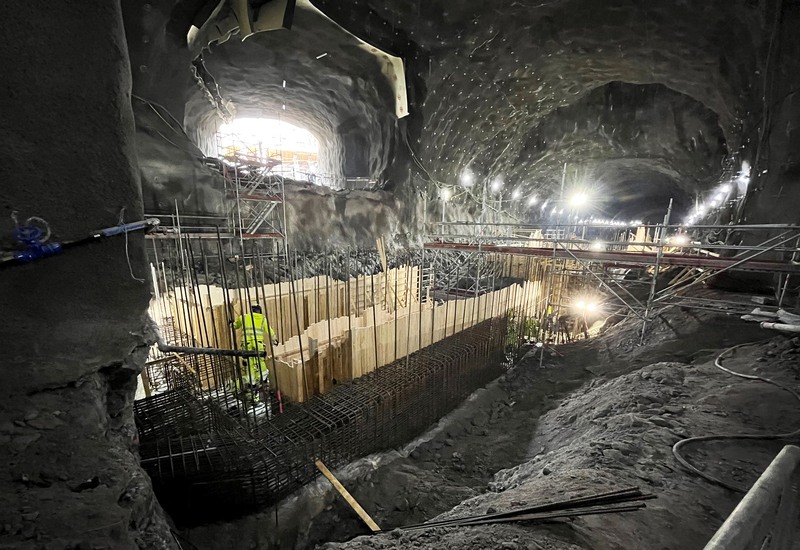
Turning a cavern into a new metro begins with concrete
 News 2022-08-26
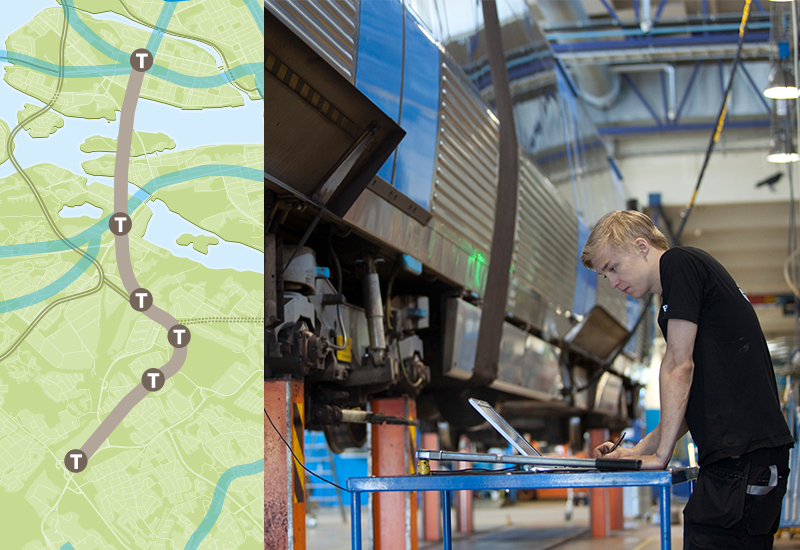
The heart is key
 News 2022-06-29
New series on what’s happening under your feet
 News 2021-12-21
Check on all larger rock contracts
 News 2017-05-02
New Metro between Fridhemsplan and Älvsjö
