

Underground experiments for enhanced health and safety
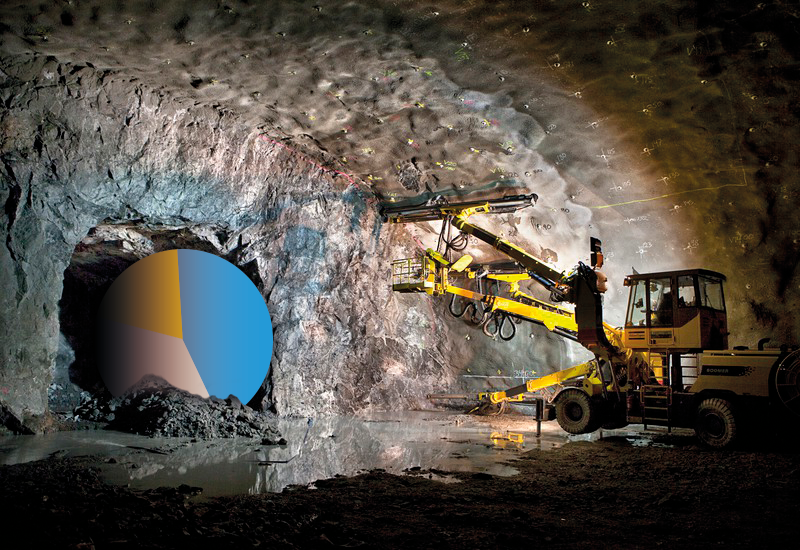
Machines are many but workers few. Much has been mechanised since the last expansion of the metro. But one thing is the same. The heavy work of pushing in several metre-long bolts to secure the tunnel roof is still done manually. However, deep under Södermalm, experiments are under way to mechanise this procedure.
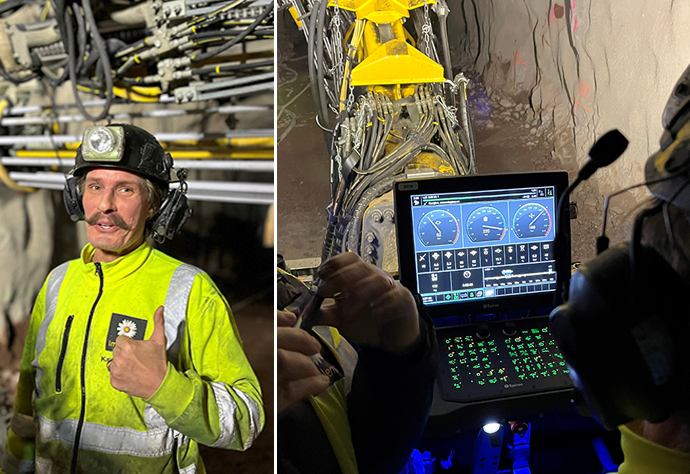
Inside a warm, cosy cabin sits the bolt rig operator Kalle Pellinen. It takes him four minutes to drill a hole, fill it with cement and then insert the bolt. The only thing that can be heard is Kalle’s Spotify list.
“I have inserted bolts manually as well. It is heavy, hard on your back and shoulders and the cement splashes. This machine entails a significant difference, I can only see advantages,” says Kalle Pellinen.
So far, however, there is one experiment which is in progress just over 100 meters under Sofia church in Södermalm, the third consecutive experiment. This series of experiments is a collaboration between the Region Stockholm, the contractors constructing the tunnels and the companies manufacturing the machines.
New way of thinking
“We have learned a lot. It’s not just about bringing in a machine and starting to bolt, rather this entails a new way of thinking and planning,” says Martin Hellgren, Manager in charge of the expansion from Kungsträdgården to Nacka and to Söderort.
Bolting has been mechanised since long in the mining industry but the demands there are different.
“Our bolts should last at least 120 years. Within mining, the period is much shorter. We must make sure that the method is efficient as well as suitable for various types of rocks. Also, the bolts should last their entire life span,” says Martin Hellgren.
Significant difference for the industry
So far the results of the experiments look good. The three experiments will be fully evaluated by the end of the year.
“We want to be involved and lead the technological development in mechanised bolting. If we succeed, it can make a great difference to the industry,” concludes Martin Hellgren.
Experiment 2, in the tunnels under the Hammarby Canal, is a finalist in an annual health and safety competition for the construction industry. The competition will be concluded at lunchtime on Tuesday, March 28.
Media
Write to: Emma Sahlman
Phone: 072-582 44 30
Do you have any questions?
Write to: SL customer service
Phone: 08-600 10 00
News
 News 2025-03-21
Yes to platform screen doors on the Yellow Line
 News 2024-10-10
Localization study underway for a metro to Bromma Airport area
 News 2024-01-12
Here’s where even more new metro lines might be built
 News 2023-10-12
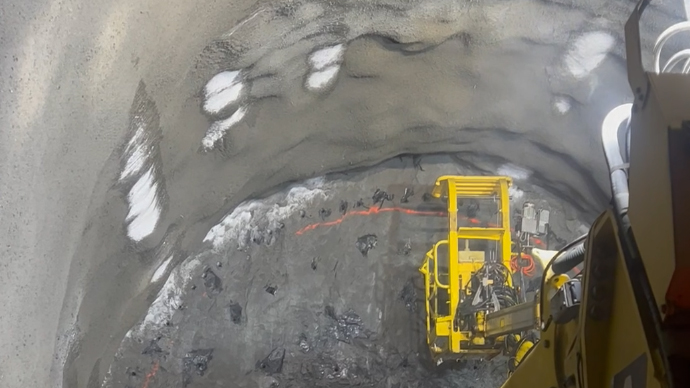
Stone cold blasting at Gullmarsplan
 News 2023-09-27
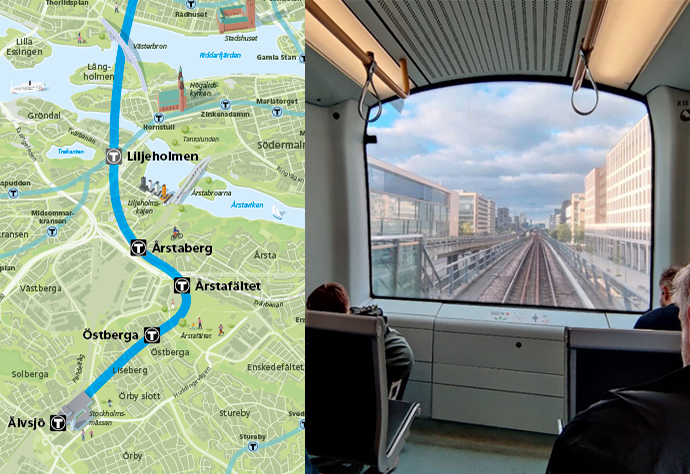
The yellow line is planned for unattended train operation
 News 2023-09-14
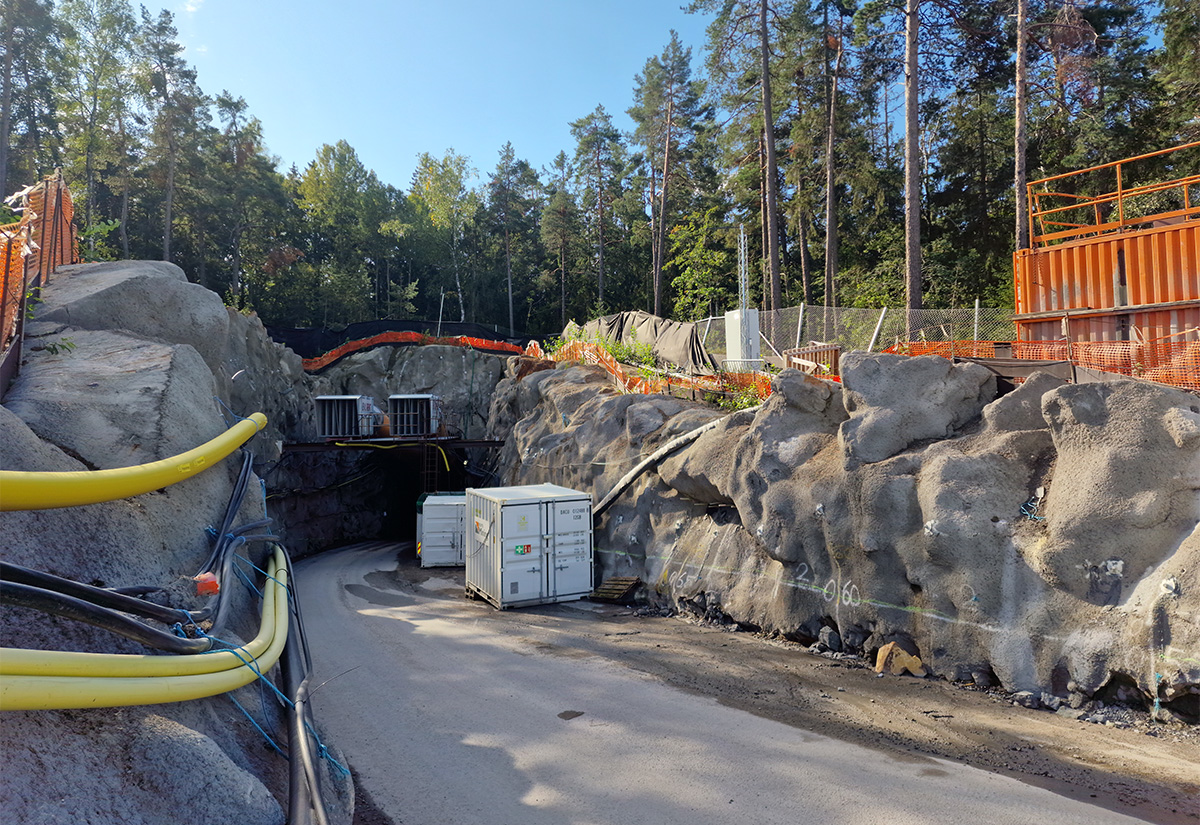
Photos: Look under ground in Hökarängen
 News 2023-06-20
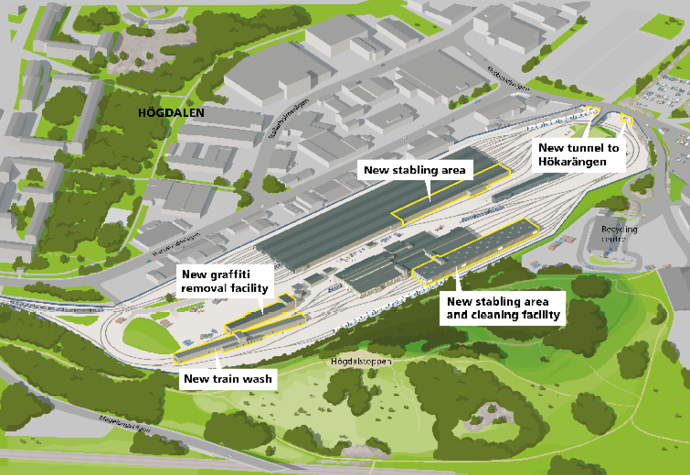
New video explains expanded depot
 News 2023-06-20
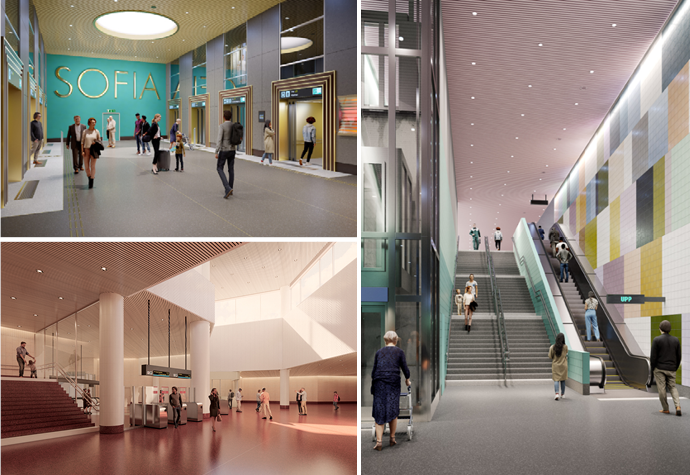
See the stations of the future today
 News 2023-06-20
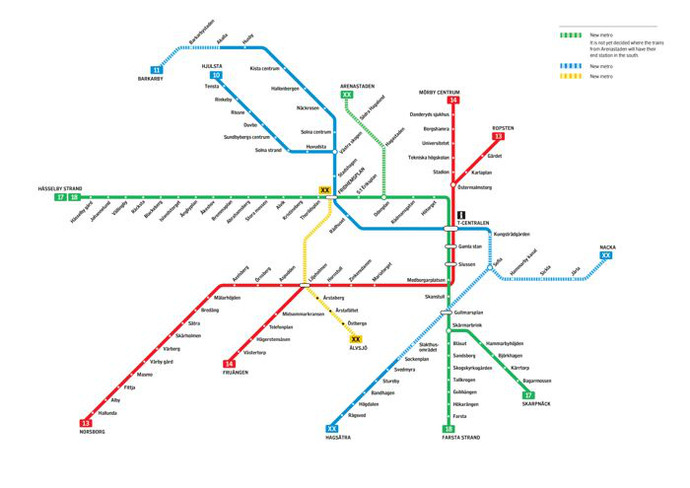
Yellow Line moving south
 News 2023-06-20
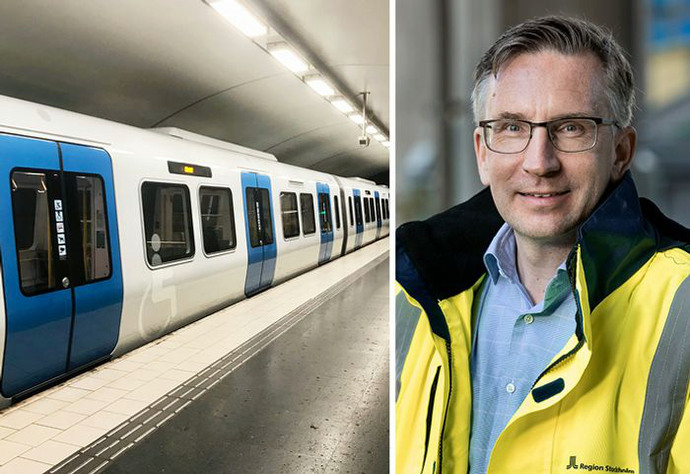
Looking into further expansion of the metro system
 News 2023-06-19
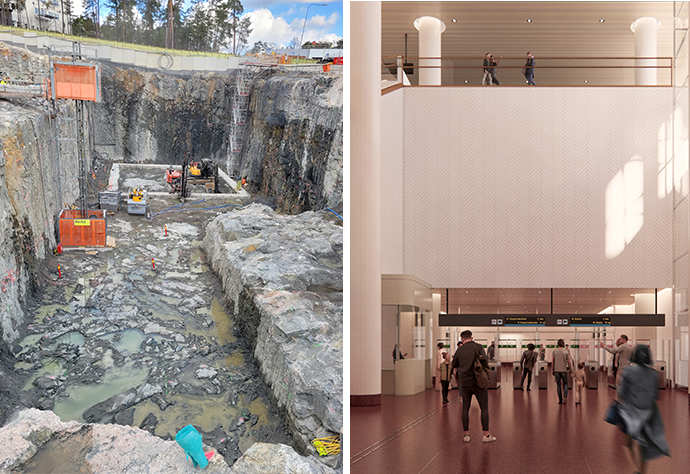
Full speed above and under ground in Nacka
 News 2023-03-02
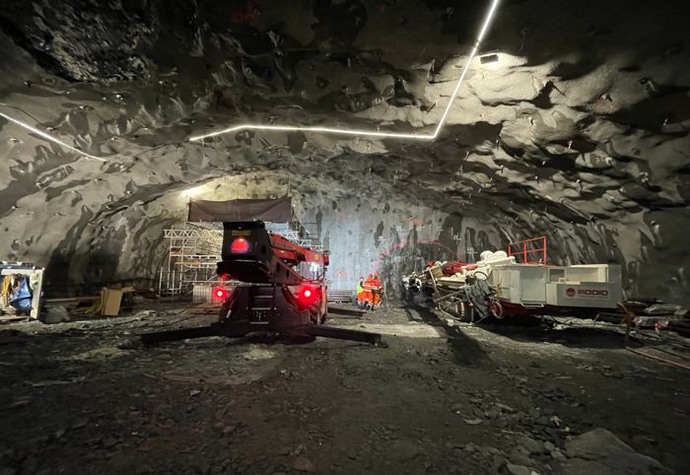
Cool tunnel works - here the rock will be frozen
 News 2023-01-30
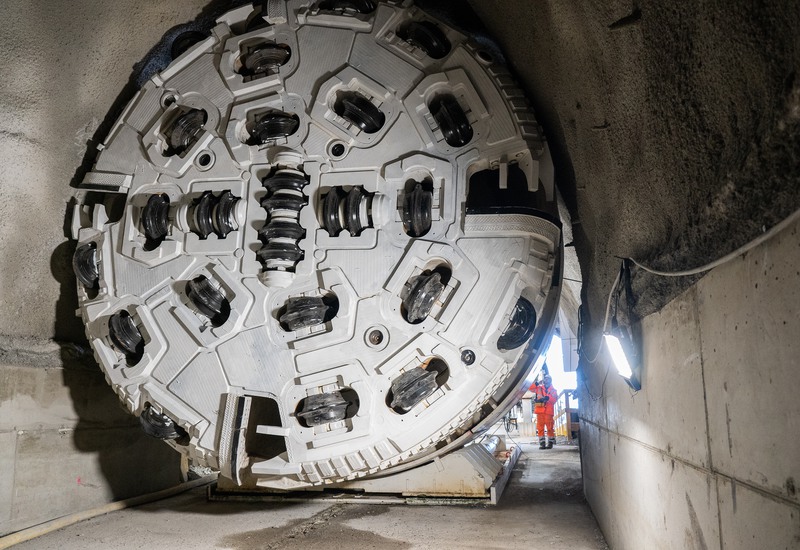
This is the first time that the metro is being built with a large drill
 News 2022-12-19
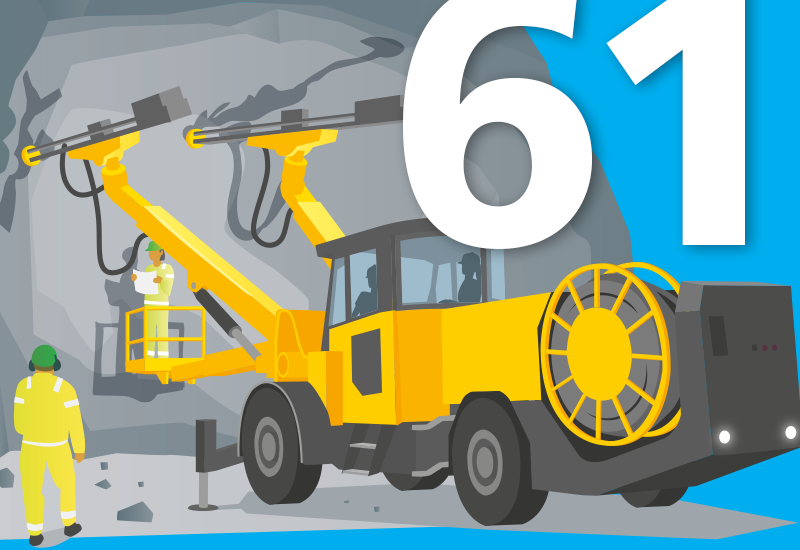
Blasting is now being performed at 61 sites simultaneously
 News 2022-12-05
Tunnel work exceeds climate goals
 News 2022-11-17
End of the line today – but maybe not tomorrow
 News 2022-10-27
A patchwork of tunnels
 News 2022-10-20
Securing lift shaft walls a challenging task
 News 2022-10-13
The tunnels are growing day by day – here’s everything that’s good to go
 News 2022-09-08
Turning a cavern into a new metro begins with concrete
 News 2022-09-07
Tunnels under water – how does that work?
 News 2022-08-26
The heart is key
 News 2022-06-29
New series on what’s happening under your feet
 News 2021-12-21
Check on all larger rock contracts
 News 2017-05-02
New Metro between Fridhemsplan and Älvsjö
